Creating an online Privacy Policy
Privacy Polices are a legal requirement of any organisation handling data. For most companies, the most efficient way to notify data subjects of your policy is through your company website but privacy policies may also be provided by email or hard copy.
Under GDPR, business are obliged to notify individuals of what, how and why their personal data will be used and processed before collecting any personal data. If your organisation collects personal data on individuals, it needs a privacy policy on the company website.
How should I write my Privacy Policy?
Your policy needs to written using clear and plain language. It has to cover all the data collection aspects of your website, including analytics and tracking for example.
What are the key points to ensure my Privacy Policy is GDPR compliant?
Before collecting any personal data, the following points should be covered in your Privacy Policy:
- Your company information, including full name, registered office details and business address
- Identity and contact details of the data controller and, where applicable, of the controller’s representative
- What information you are collecting and why
- How consent will be obtained
- How you will be using the information collected
- How long the personal data will be kept for
- Explanation for how complaints can be made and to whom
- The contact details of the Data Protection Officer, where applicable
- Information about export of the collected data
Where must the Privacy Policy be displayed?
Your policy needs to be displayed in a prominent position on your website on every page - it should not be hidden away in sections such as ‘Contact Us’, for example.
your privacy policy has to cover all the data collection aspects of your website
What happens if my company’s policy is not compliant?
Regulatory authorities can take enforcement action against organisations whose privacy policy is not compliant. This might be conducting an audit or accessing your premises to ascertain how you are using individual’s personal data.
Where your policy is found to be non-compliant, the ICO, or your relevant authority, can make an order for you to bring your policy in line with GDPR. Lastly, proportionate fines can be issued.
Make sure you document any decisions you make on what to include and not include in your privacy policy so you can show your policy has carefully considered the personal data your business collects.
regulatory authorities can take enforcement action against organisations whose privacy policy is not compliant
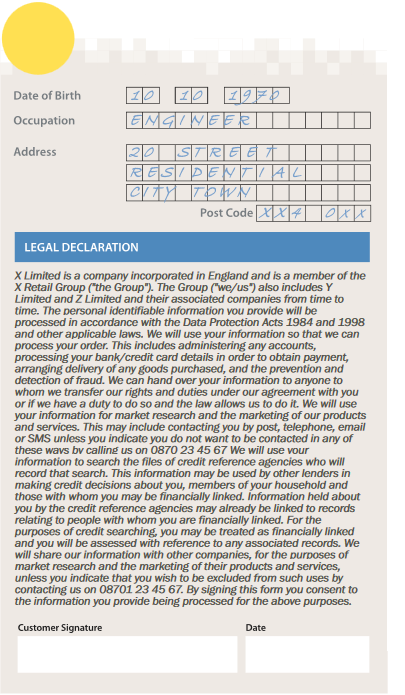
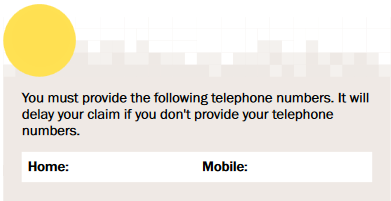
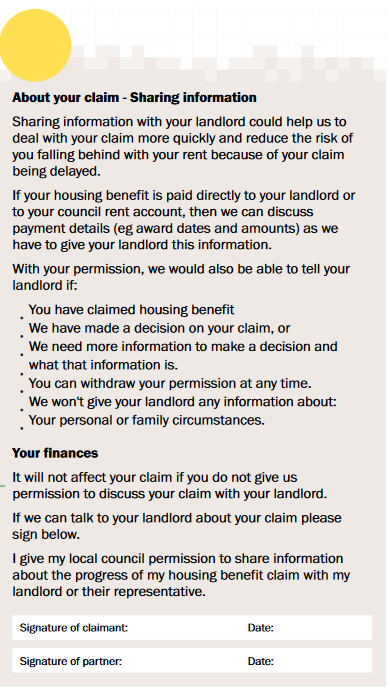
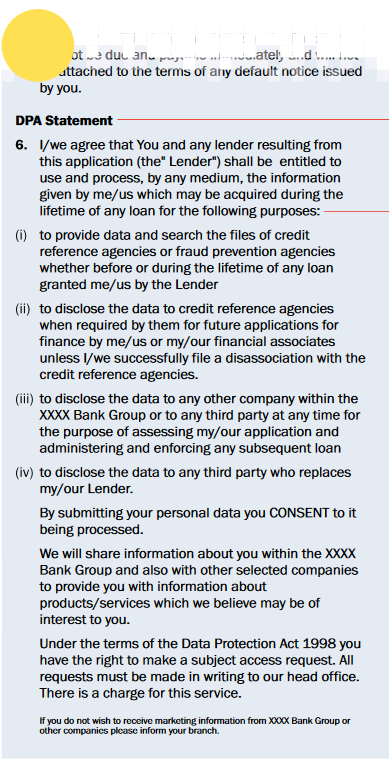
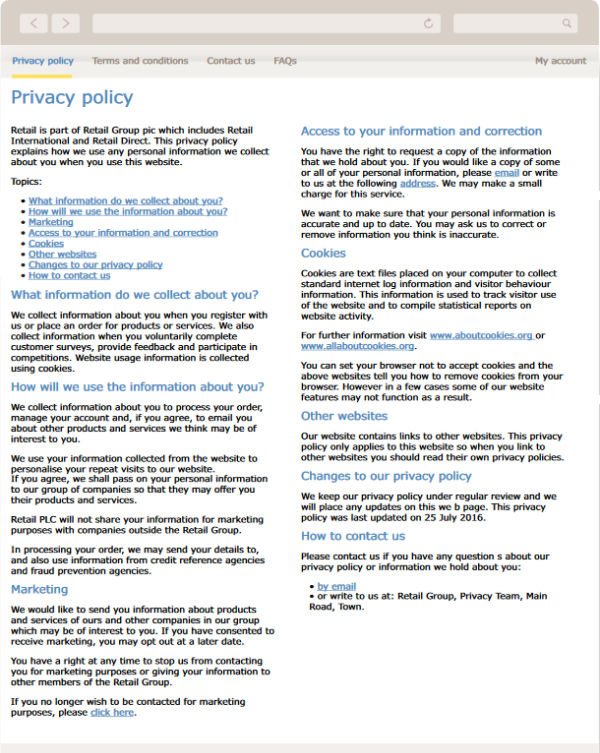
Take a look at the Privacy Policy examples below taken from ico.org.uk. For each of them, decide whether they are a good example or a bad example of a Privacy Policy
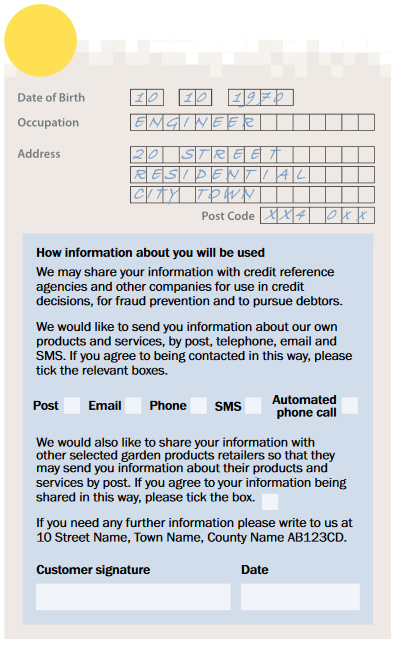
Is this a good or bad example of a Privacy Policy?